No items found.

Content of  

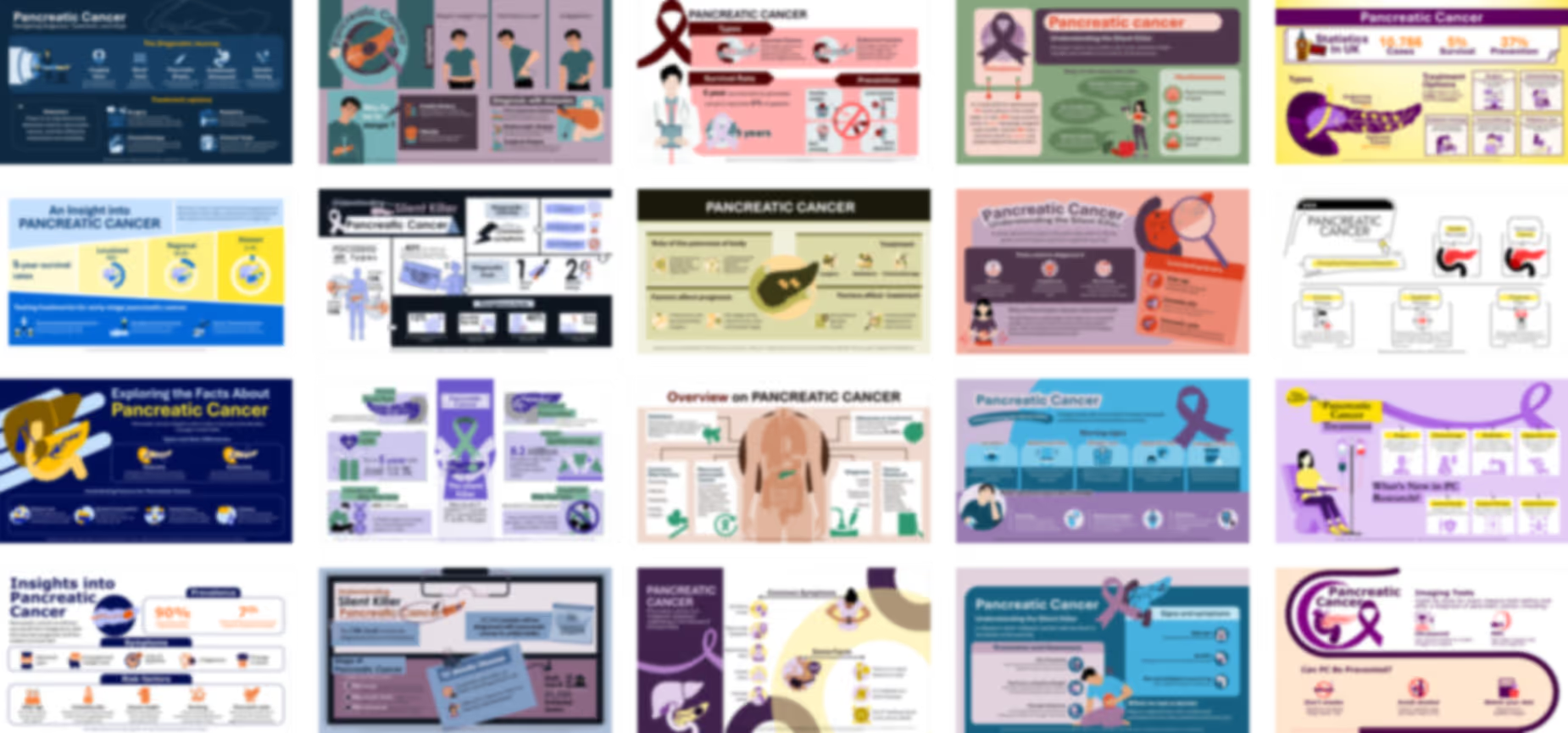
Pancreatic Cancer Infographics

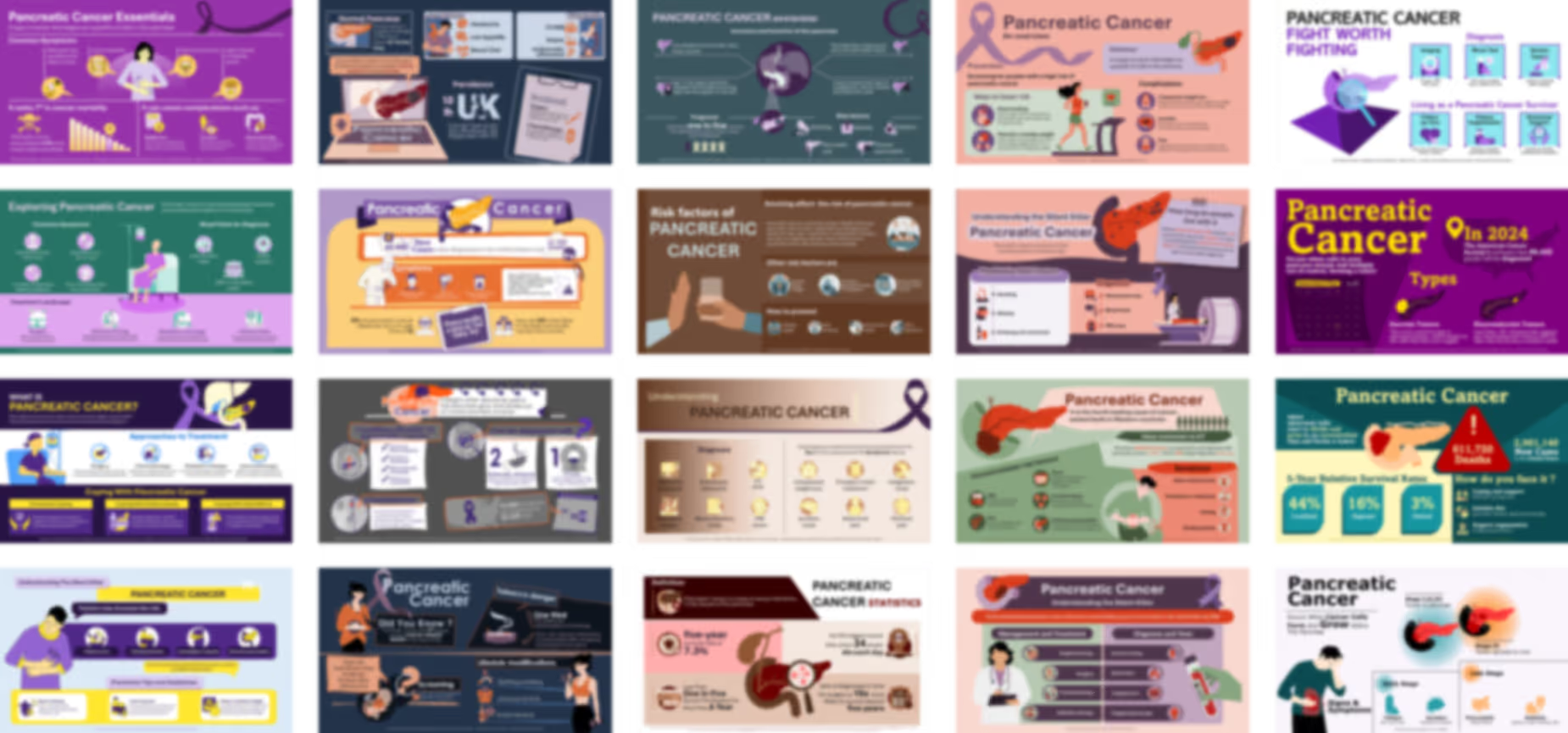
Pancreatic Cancer Essentials: Symptoms & Global Impact

Pancreatic Cancer Essentials: Symptoms & Global Impact
  • This professional dark-themed slide clearly outlines the primary warning signs and severe consequences of the disease, using a central illustration of a patient experiencing abdominal discomfort, supported by targeted icons for symptoms like jaundice (yellow hand) and bowel blockage (large intestine).
  • A prominent bar chart visually emphasizes the cancer's high fatality rate, specifically ranking its position as the 7th leading cause of cancer mortality and its global death percentage (4.5%), making complex statistics immediately understandable.

Pancreatic Cancer: Anatomy, Prevalence & Treatment Pathway

Pancreatic Cancer: Anatomy, Prevalence & Treatment Pathway
  • This informative slide uses a clear, organized layout to visually map out the complete patient journey, from the anatomy of the normal pancreas (six inches long) and the cellular mechanisms of tumor formation to the methods of diagnosis (CT/MRI, biopsy).
  • It highlights key medical information, including specific, less common symptoms like headache and blood clots, and details the primary treatment options: surgery for early detection and chemotherapy for symptom management.
  • The presentation of UK prevalence data (10th most common cancer, 28 people diagnosed every 28 days) grounds the topic in real-world statistics, offering immediate, impactful context for this aggressive disease.

Pancreatic Cancer Overview: Anatomy, Prognosis & Risk Factors

Pancreatic Cancer Overview: Anatomy, Prognosis & Risk Factors
  • This detailed infographic visually breaks down the structure and function of the pancreas, highlighting its division into the head, neck, body, and tail, and distinguishing between the exocrine (majority) and endocrine (Islets of Langerhans) tissues.
  • The slide clearly presents the severe prognosis with a statistic: less than one in five patients survive the disease for more than a year post-diagnosis, reinforced by a row of five ribbons.
  • It organizes critical, specific risk factors into a concise list, including smoking, obesity, diabetes, pancreatic cyst, and chronic pancreatitis, making complex etiological factors easy to absorb and recall.

Pancreatic Cancer: Prevention and Complications Overview

Pancreatic Cancer: Prevention and Complications Overview
  • This visually engaging slide provides a concise definition of the cancer and focuses primarily on prevention strategies, featuring an illustration of a woman exercising on a treadmill to symbolize lifestyle changes and heart health.
  • It highlights specific, actionable ways to lower risk, including stopping smoking and maintaining a healthy weight by aiming for a slow, steady loss of 1 to 2 pounds (0.5 to 1 kg) per week.
  • The slide details complications like unexpected weight loss (due to the cancer draining energy), jaundice (from bile duct blockage), and severe pain (from the tumor pressing on surrounding nerves), presenting consequences of the disease progression.

Pancreatic Cancer: Fight Worth Fighting - Diagnosis and Survivor Life

Pancreatic Cancer: Fight Worth Fighting - Diagnosis and Survivor Life
  • This compelling infographic visually emphasizes the journey of diagnosis and post-treatment life, featuring an abstract graphic of the pancreas being examined under a magnifying glass, symbolizing early detection and detailed investigation.
  • It comprehensively outlines diagnostic procedures, separating them into Imaging (CT, MRI, PET scans), Blood Tests (mentioning the specific tumor marker CA19-9), and Genetic Testing (looking for inherited DNA changes).
  • The section on Living as a Pancreatic Cancer Survivor details essential ongoing care, including Follow-up Care, the role of Dietary Supplements (vitamins/minerals), and the importance of Emotional Support from professional counselors.

Exploring Pancreatic Cancer: Symptoms, Diagnosis, and Treatment

Exploring Pancreatic Cancer: Symptoms, Diagnosis, and Treatment
  • This visually organized slide provides a comprehensive overview, featuring a central illustration of a patient undergoing treatment, and defines the disease as a fast-growing illness caused by uncontrolled cell mutations.
  • It highlights key diagnostic blood tests, specifically listing Liver Function Tests, Tumor Markers, and the CBC or chemistry panel, offering technical detail beyond simple symptom checks.
  • The slide clearly maps the entire Treatment Landscape, detailing the purpose of Surgery (best chance to cure), Medical Oncology (chemotherapy/immunotherapy), Radiation Oncology (high-intensity energy beams), and the role of Clinical Trials.

Pancreatic Cancer: Statistics, Symptoms, and Risk Demographics

Pancreatic Cancer: Statistics, Symptoms, and Risk Demographics
  • This vibrant infographic provides key statistics on the disease's scale, showcasing the precise figures for New Cases (60,440) and Deaths (51,750) diagnosed in the United States, reinforced by clear icons for quick recall.
  • The slide details specific, distinguishing symptoms, including Yellowish Skin & Eyes, Oily or Watery Stool, and a New Onset of Diabetes, noting that the patient often experiences vague symptoms easily confused with other gastrointestinal issues.
  • It highlights crucial demographic risk factors: 90% of diagnoses occur in those over 55, and men are 30% more likely to develop the disease than women, offering essential, unique data points on patient risk profiles.

Risk Factors of Pancreatic Cancer and Prevention Strategies

Risk Factors of Pancreatic Cancer and Prevention Strategies
  • This slide visually defines risk factors and uses a large illustration of a hand pushing away a drink to symbolize prevention, while explicitly detailing how smoking affects the risk due to changes in how pancreatic cells grow and divide.
  • It concisely lists and illustrates other significant, specific risk factors, including excess body weight, having a personal history of diabetes, and a family history of pancreatic cancer, distinguishing these from the preventable factors.
  • The "How to prevent" section provides four clear, actionable steps for lowering risk: maintaining a healthy weight, quitting smoking, limiting alcohol intake, and the importance of early detection.

Understanding the Silent Killer: Pancreatic Cancer

Understanding the Silent Killer: Pancreatic Cancer
  • This visual slide defines Pancreatic Cancer as a malignancy found anywhere in the pancreas, and prominently highlights survival rates, stating that 10 out of every 100 (10%) survive for 5 years and only 5 out of every 100 (5%) survive for 10 or more years after diagnosis.
  • It clearly identifies Modifiable Risk Factors using a concise list and relevant icons, specifically naming Smoking, Obesity, and Drinking a lot of alcohol, giving users clear targets for lifestyle changes.
  • The Diagnosis section is visually supported by an image of a patient undergoing an MRI scan and lists the primary non-invasive and invasive screening methods: Ultrasound scan, Blood tests, and the MRI scan.

Pancreatic Cancer: Statistics, Types, and Awareness

Pancreatic Cancer: Statistics, Types, and Awareness
  • This impactful infographic defines the disease as the result of cells mutating and multiplying to form a tumor and highlights the 2024 American Cancer Society estimate of 66,440 people who will be diagnosed, grounding the topic in current, specific statistics.
  • It distinctly separates the two main types of pancreatic cancer: Exocrine Tumors (adenocarcinoma, the most common type, starting in organ lining cells) and the less common Neuroendocrine Tumors (NETs), which account for less than 10% of cases.
  • The slide features a calendar graphic to highlight November 21st as Pancreatic Cancer Awareness Day, providing essential contextual information for educational and promotional use.

Pancreatic Cancer: Treatment Approaches and Coping Strategies

Pancreatic Cancer: Treatment Approaches and Coping Strategies
  • This comprehensive slide defines pancreatic cancer as the uncontrolled growth of abnormal cells in the pancreas, and visually breaks down the four core Approaches to Treatment using specific icons for Surgery (removing the main tumor), Chemotherapy, Radiation Therapy, and Immunotherapy.
  • It features an illustration of a patient receiving infusion treatment, and clearly explains the unique goal of each non-surgical treatment method (e.g., Chemotherapy using drugs to kill cancer cells, Immunotherapy activating the immune system).
  • The lower section focuses on Coping With Pancreatic Cancer, detailing the aspects of patient support: Emotional Coping (dealing with poor prognosis), managing Dietary Issues (nutrition/hydration), and handling Side Effects (from chemo/radiation drugs).

Pancreatic Cancer: Diagnosis, Related Conditions, and 2023 Statistics

Pancreatic Cancer: Diagnosis, Related Conditions, and 2023 Statistics
  • This slide defines pancreatic cancer as the result of abnormal cells growing and forming a tumor, and highlights key, specific conditions related to its development, including Chronic Pancreatitis, Crohn's Disease, Periodontal Disease, and a history of Previous Cancers.
  • It clearly details two primary diagnostic tools, explaining that Endoscopic Ultrasound (EU) is more accurate than abdominal ultrasound for staging, alongside the use of CT Scan to provide a clear view of the pancreas.
  • The infographic presents the specific impact statistics for 2023, noting that 64,050 Americans were diagnosed and 50,550 died, and explains that Chemotherapy can be used alone or combined with other treatments.

Understanding Pancreatic Cancer: Diagnosis and Key Symptoms

Understanding Pancreatic Cancer: Diagnosis and Key Symptoms
  • This detailed slide emphasizes the critical role of early diagnosis in improving survival and clearly outlines the six key symptoms to be aware of, including Unexplained weight loss, Jaundice onset, Indigestion onset, and distinct pains in the Abdomen and Mid back.
  • It provides a comprehensive, visually supported list of diagnostic methods, covering both imaging techniques—Abdominal ultrasound, Endoscopic ultrasound, CT scan, and MRI scans—and invasive procedures like Pancreatic biopsy and the Blood chemistry study.
  • The slide acts as an essential educational resource by consolidating all major diagnostic tools and correlating them with a concise list of symptoms that often lead to the detection of the disease.

Pancreatic Cancer: Uncontrollable Risks and Key Symptoms

Pancreatic Cancer: Uncontrollable Risks and Key Symptoms
  • This impactful slide identifies Pancreatic Cancer as the fourth leading cause of cancer-related death in Western countries and provides current prevalence data, stating that 180 people are diagnosed every day in the US, totaling over 66,000 Americans in 2024.
  • It visually breaks down specific Uncontrollable Risk Factors, detailing how Age (most patients over 45), Sex (men slightly more likely), Race (African Americans slightly more likely than Whites), and Chronic Pancreatitis influence risk.
  • The slide features an illustration of a man experiencing pain and highlights symptoms, including dark-colored urine, unusual itching, and floating stools, alongside generalized tiredness or weakness.

Pancreatic Cancer: Survival, Statistics, and Patient Coping

Pancreatic Cancer: Survival, Statistics, and Patient Coping
  • This powerful slide defines the cancer as the uncontrolled growth of abnormal cells forming a tumor and prominently displays alarming US statistics: 2,001,140 New Cancer Cases and 611,720 Deaths, using a large danger icon to emphasize the fatality rate.
  • It clearly communicates the stage-dependent prognosis through 5-Year Relative Survival Rates: 44% for Localized cases, dropping significantly to 16% for Regional spread, and only 3% for Distant metastasis.
  • The slide provides essential patient-focused guidance in the "How do you face it?" section, detailing the need for Coping and Support, the requirement for a Suitable Diet including pancreatic enzyme replacement therapy, and seeking a Support Organization.

Understanding The Silent Killer: Risk Factors and Prevention

Understanding The Silent Killer: Risk Factors and Prevention
  • This infographic visually explains that the cause of pancreatic cancer is still unclear, but clearly identifies four key factors that increase risk: Tobacco use, Drinking alcohol, Overweight or obesity, and Chronic pancreatitis, using distinct icons for each factor.
  • It features an illustration of a man experiencing abdominal pain, emphasizing the common patient presentation, and provides three specific, actionable Prevention Tips and Guidelines.
  • The slide highlights three prevention strategies focusing on lifestyle modifications: Quit smoking (with advice to seek help), Limit alcohol (due to its link to chronic pancreatitis), and Keep a healthy weight (by seeking professional guidance).

Pancreatic Cancer: Tobacco Danger, Screening, and Lifestyle

Pancreatic Cancer: Tobacco Danger, Screening, and Lifestyle
  • This visually striking slide immediately highlights a crucial statistic: Pancreatic cancer is the 3rd leading cause of cancer-related deaths in the United States, setting a serious context for the information presented.
  • It uses data to emphasize the Tobacco danger, stating that one third of cases are attributable to smoking, and uniquely notes that the risk can be reduced to a nonsmoker's level five years after quitting.
  • The slide details specific interventions, including the recommendation for Endoscopic Ultrasound for high-risk individuals, and provides three actionable Lifestyle modifications: Quitting smoking, increasing physical activity, and avoiding alcohol.

Pancreatic Cancer Statistics: Survival, Mortality, and Early Detection

Pancreatic Cancer Statistics: Survival, Mortality, and Early Detection
  • This statistics-focused slide defines the disease as a cancer forming in the tissues of the pancreas and graphically illustrates its severity by highlighting the five-year survival rate of 7.3% and the fact that less than one in five survive beyond one year.
  • It uses mortality data, ranking the disease as the fifth biggest cancer killer where 24 people die each day, reinforcing the slide's central theme of survival statistics.
  • The infographic emphasizes the value of early detection with a unique, positive statistic: patients diagnosed in time for surgery are 10 times more likely to survive beyond five years, making a strong case for prompt medical intervention.

Pancreatic Cancer: Understanding the Silent Killer

Pancreatic Cancer: Understanding the Silent Killer
  • This insightful slide visually organizes the comprehensive approach to the disease, featuring a doctor and a blood sample to represent the clinical journey, and highlights the grave projection that it will become the second leading cause of cancer death in the United States by 2030.
  • It clearly distinguishes four Management and Treatment methods: Targeted therapy, Surgery, Chemotherapy, and Radiation therapy, offering a concise overview of the multimodal treatment options available.
  • The slide details five specific Diagnosis and Tests: Genetic testing (for inherited risk), Blood tests, Imaging tests, and Staging laparoscopy (for assessing spread), providing a complete view of the detection pathway.

Pancreatic Cancer: Stages, Symptoms, and Progression

Pancreatic Cancer: Stages, Symptoms, and Progression
  • This illustrative slide defines Pancreatic Cancer as the formation and growth of cancer cells within the pancreas and uses a clear visual diagram to differentiate the stages: Stage I, II, III (Tumor in pancreas) and the advanced Stage IV (Tumor spreads to the liver).
  • It features an image of a man holding his abdomen to represent common symptoms and highlights specific signs of the Early Stage, including persistent Fatigue and Jaundice (caused by bilirubin), which are crucial for initial detection.
  • The slide details the complications associated with the Late Stage, identifying Pancreatitis (inflammation) and the development of Diabetes due to the cancer destroying the insulin-making cells.

Pancreatic Cancer: Navigating Diagnosis, Treatment, and Hope

Pancreatic Cancer: Navigating Diagnosis, Treatment, and Hope
  • This comprehensive slide emphasizes the lack of a standard early detection test for pancreatic cancer and visually maps out The Diagnostic Journey, including Imaging tests (Ultrasound, CT, MRI, PET scans), Blood Tests (citing the CA19-9 marker), Biopsy, and Genetic Testing.
  • It details five distinct Treatment options, explaining that Surgery is only possible in less than 20% of adenocarcinoma patients (the majority of cases), while Chemotherapy is typically used when tumors cannot be removed surgically.
  • The slide provides information on the roles of Radiation (offered before or after surgery) and Clinical Trials, which are presented as options that may offer the best opportunity for a positive outcome for eligible patients.

Pancreatic Cancer: Symptoms, Risk Factors, and Biopsy Diagnosis

Pancreatic Cancer: Symptoms, Risk Factors, and Biopsy Diagnosis
  • This informative slide visually features three distinct illustrations of patients to depict key non-specific symptoms: Rapid weight loss, localized Mid back pain, and general Indigestion, which are often early warning signs.
  • It concisely addresses risk factors, explaining why individuals may be "In danger," specifically noting that risk increases with Family History (multiple first-degree relatives) and that Obesity is associated with a 20% increased risk of developing the disease.
  • The slide provides details on Diagnosis with biopsies, differentiating between Percutaneous biopsy (guided by ultrasound/CT), Endoscopic biopsy (using an endoscope), and Surgical biopsy (to check for spread to other abdominal organs).

Pancreatic Cancer: Types, Survival, and Prevention

Pancreatic Cancer: Types, Survival, and Prevention
  • This educational slide features a doctor and the disease's awareness ribbon, clearly categorizing the two main Types: Exocrine Tumors (occurring in exocrine cells that produce digestive juices) and Endocrine Tumors (occurring in endocrine cells that produce hormones).
  • It highlights the grim prognosis by stating the 5-year survival rate for pancreatic cancer is less than 4% of patients, emphasizing the need for proactive health measures.
  • The slide provides four specific Prevention tips: maintaining a Healthy weight, Limiting alcohol intake, Quitting smoking (visually symbolized by a crossed-out cigarette), and the importance of Early detection.

Pancreatic Cancer: Prevalence, Risk Reduction, and Manifestations

Pancreatic Cancer: Prevalence, Risk Reduction, and Manifestations
  • This slide defines the cancer as the formation of a tumor due to cell mutation and highlights its US Prevalence: it accounts for approximately 3% of all cancers and is the 10th most common in men and 8th most common in women (people assigned male/female at birth).
  • It features an illustration of a woman exercising and outlines three key Ways to decrease the risks: Maintain a healthy weight (as overweight individuals face increased risk), Eat a healthy diet, and Exercise regularly (150 to 300 minutes of moderate exercise weekly).
  • The slide details specific, visible Manifestations (symptoms), including pain in the tummy or back, yellowing of the skin or eyes, and changes to your stools, offering clear patient self-assessment points.

Pancreatic Cancer: UK Statistics, Types, and Treatment Modalities

Pancreatic Cancer: UK Statistics, Types, and Treatment Modalities
  • This informative slide provides key statistics specific to the UK, highlighting 10,786 Cases, a very low 5% Survival rate, and a 37% Prevention potential, offering unique geographical context for the disease's impact.
  • It visually and medically separates the two main Types: Exocrine Tumors (95% of cases) and the much rarer Endocrine Tumors, offering clarity on where the cancer originates within the pancreatic anatomy.
  • The slide details six distinct Treatment Options, including the limitations of Surgery (not an option for everyone), the combined use of Radiation therapy with chemotherapy, the function of Immunotherapy (for specific DNA changes), and the necessity of Palliative care for symptom relief.

An Insight into Pancreatic Cancer: Survival and New Treatments

An Insight into Pancreatic Cancer: Survival and New Treatments
  • This clear, analytical slide defines the challenge of treatment, noting that the cancer is hard to treat surgically due to location and spread, and visually presents the stage-dependent 5-year survival rates for Localized (44%), Regional (16.2%), and Distant (3.1%) disease.
  • The upper section utilizes three distinct pie charts superimposed over a pancreas graphic to clearly illustrate the disparity in survival based on cancer spread, making the prognosis for each stage immediately comparable.
  • It highlights Testing treatments for early-stage disease, detailing Chemotherapy Drug Combinations (post-surgical drugs), Neoadjuvant Chemotherapy (given before surgery to shrink tumors), and the function of Cancer Treatment Vaccines (boosting the immune system to attack cancer cells).

Understanding the Silent Killer: Risks, Types, and Diagnosis

Understanding the Silent Killer: Risks, Types, and Diagnosis
  • This comprehensive slide defines Pancreatic Cancer as the "Silent Killer" and visually breaks down its Types, noting that 90% of cases are Exocrine tumors, while less than 10% are Endocrine, using detailed anatomical illustrations for clarity.
  • It highlights that 83% of adults are unaware of common symptoms and that there are often no signs at the early stages, reinforcing the difficulty of early detection.
  • The slide provides specific "Dangerous facts" regarding risk: 12% of cases are related to obesity, 40% are under 69 years old, and one third relate to smoking, alongside common symptoms and two key Diagnostic tools (Blood tests and Genetic testing).

Pancreatic Cancer: Anatomy, Prognosis, and Treatment

Pancreatic Cancer: Anatomy, Prognosis, and Treatment
  • This educational slide starts by detailing the Role of the pancreas, explaining its two functions: producing hormones like insulin and glucagon (for blood sugar control) and producing juices to break down food for bodily use.
  • It concisely lists the three main conventional Treatment modalities—Surgery, Radiation, and Chemotherapy—and further details the Factors that affect treatment, such as the patient's general health and whether the cancer is newly diagnosed or has recurred.
  • The slide highlights details on Factors that affect prognosis, specifically noting that survival depends on whether the tumor can be removed by surgery and the cancer's stage, size, and spread.

Pancreatic Cancer: Diagnosis, Contributing Factors, and Detection Challenges

Pancreatic Cancer: Diagnosis, Contributing Factors, and Detection Challenges
  • This illustrative slide defines Pancreatic Cancer as the uncontrolled growth of abnormal cells forming a tumor and features a magnifying glass graphic highlighting the tumor to represent diagnostic investigation.
  • It concisely outlines the three key Tests used to diagnose it: Biopsy (removing a tissue sample), Imaging tests (taking internal pictures), and Blood tests (showing tumor markers), detailing the specific purpose of each method.
  • The slide highlights two primary reasons the cancer is hard to find: the pancreas is located deep in the abdomen and symptoms are often not always obvious and develop over time; it also lists specific Contributing factors like Older age (after 65), Unhealthy diet, and the risk of Pancreatic cysts.

Pancreatic Cancer: Emerging Therapies and Research

Pancreatic Cancer: Emerging Therapies and Research
  • This forward-looking slide visually contrasts the Healthy Pancreatic anatomy with the affected organ in Pancreatic Cancer and focuses on Emerging Therapies and Research, emphasizing the ongoing work to improve patient outcomes.
  • It details two specific advanced treatments: Immunotherapy (involving altering T cells and natural killer cells in a lab to target cancer) and Targeted Therapy, citing Olaparib (Lynparza) as a maintenance treatment for adults with metastatic cancer.
  • The slide highlights the crucial role of Ongoing Trials, noting that many experts believe it is important for all patients to join a clinical trial to access the latest opportunities and drive future medical advances.

Exploring the Facts About Pancreatic Cancer: Types and Factors

Exploring the Facts About Pancreatic Cancer: Types and Factors
  • This informative slide begins by defining Pancreatic Cancer as a disease resulting from changes in the DNA of pancreatic cells, and visually contrasts the two distinct tumor types using anatomical illustrations: Exocrine (more than 95% of cases, develops in digestive juice cells) and Endocrine (less than 5% of cases, develops in hormone-secreting cells).
  • It provides four key Contributing Factors, citing specific statistics: Tobacco use (20 to 35 percent of cases), Alcohol Consumption (three or more alcoholic drinks a day increases risk), and Family History (up to 10 percent of people).
  • The slide also highlights the link between Diabetes (Type 1 or Type 2) and a higher risk of developing pancreatic cancer, providing essential context on the metabolic risk factor.

Pancreatic Cancer: Silent Killer, Survival, and Global Epidemiology

Pancreatic Cancer: Silent Killer, Survival, and Global Epidemiology
  • This visually engaging slide defines the cancer as "The Silent Killer" because it often does not cause any symptoms in the early stages, while contrasting the Normal Function (hormone regulation) of the pancreas with the Abnormal Pancreas (cells multiplying to form a tumor).
  • It highlights a critical statistic on global Epidemiology: 8.2 Million people die from pancreatic cancer each year, reinforcing the massive global burden of the disease.
  • The slide details specific, distinguishing risk factors: Genetically, inherited changes account for 10% of cases, and Modifiable risk factors include Alcohol Consumption, noting that onset, duration, dose, and binge drinking all affect risk.

Overview on Pancreatic Cancer: Research, Risk Factors, and Survival Gains

Overview on Pancreatic Cancer: Research, Risk Factors, and Survival Gains
  • This visual slide defines the cancer as occurring in exocrine or endocrine cells and centrally illustrates the human torso with the pancreas and digestive tract, surrounded by an overview of the disease's entire clinical landscape.
  • It highlights advancements, noting that the 5-year survival rate increased from 6% to 10% between 2014 and 2021, and details Future Research efforts to identify novel inhibitors for targeting pancreatic cancer.
  • The slide concisely lists Common Risk Factors (Smoking, Obesity, Diabetes, Family history) and outlines Diagnosis procedures (CT/MRI scans, Endoscopic Ultrasound, Biopsy), alongside defining Recurrent pancreatic cancer.

Pancreatic Cancer: Warning Signs and Modifiable Risk Factors

Pancreatic Cancer: Warning Signs and Modifiable Risk Factors
  • This informative slide defines the disease as the growth and division of abnormal cells forming a tumor and provides Warning signs in five distinct boxes, featuring a patient illustration for context.
  • It details symptoms: Jaundice (yellowing of skin/eyes), Abdominal Pain (which becomes more severe as the disease progresses), Weight Loss (sudden and unexplained), and Changes in Stool (light-colored, greasy, or foul-smelling).
  • The Risk factors you can change section provides specific data on Smoking (about 25% of cases caused by it), Being overweight (20% more likely to develop the cancer), and the link to Diabetes (found in people with Type 2).

The Latest in Pancreatic Cancer Treatment and Research

The Latest in Pancreatic Cancer Treatment and Research
  • This visually informative slide features a patient receiving IV treatment and distinctly separates standard Treatment options from New in PC Research, offering a balanced view of current and future care.
  • It details the four conventional approaches: Surgery (removing part or all of the pancreas), Chemotherapy (to control symptoms), Radiation (to shrink the cancer), and Supportive care (to improve symptoms).
  • The What's New in PC Research section like Immunotherapy (boosting the immune system), Targeted Therapy (attacking specific cancer cell targets), and Individualization (predicting drug effectiveness).

Insights into Pancreatic Cancer: Prognosis, Symptoms, and Risk Factors

Insights into Pancreatic Cancer: Prognosis, Symptoms, and Risk Factors
  • This high-level summary defines the disease as a malignancy with the poorest prognosis and lowest survival rate and states its prevalence: 90% is pancreatic ductal adenocarcinoma, and it is the 7th most common cause of cancer-related mortality worldwide.
  • It features six distinct Symptoms, including Stomach pain, Unexplained weight loss, Loss of appetite, Indigestion, and Change in stool, providing a complete clinical picture of patient presentation.
  • The slide details specific Risk factors like Older age (after 65), Unhealthy diet (red/processed meats), Excess weight, Smoking, and the unique risk associated with Pancreatic cysts (which carry a small risk of turning aggressive).

Understanding the Silent Killer: Stages, Progression, and Symptoms

Understanding the Silent Killer: Stages, Progression, and Symptoms
  • This visual slide defines the cancer as the uncontrolled growth of cells and focuses on its severe impact, stating that 60,440 people were diagnosed in the US in 2024, with an estimated 51,750 deaths (a rate of 20 per 24 hours).
  • It clearly outlines the TNM staging system for Pancreatic Cancer: T (Tumor size/invasion), N (Lymph Node spread), and M (Metastasis to distant organs), providing a clinical breakdown of disease classification.
  • The slide explains why the disease is so deadly: symptoms are mild leading to late diagnosis and it is difficult to treat once it has already metastasized, contrasting the high diagnosis number with the grim reality of the disease's progression.

Pancreatic Cancer: Symptoms and Facts About the Silent Disease

Pancreatic Cancer: Symptoms and Facts About the Silent Disease
  • This purple-themed infographic defines the cancer as a malignant neoplasm originating in the tissues of the pancreas and visually lists five Common Symptoms: Jaundice onset, New onset of Diabetes, Abdominal Pain, Loose stool, and Nausea onset.
  • The slide features a skull graphic to represent mortality and highlights three key facts, including the absence of early detection tests, its labeling as a silent disease, and its ranking as the 4th leading cause of all cancer death.
  • The combination of specific early warning signs and the alarming mortality statistics provides essential context for the difficulty of diagnosing and treating this aggressive malignancy.

Understanding the Silent Killer: Prevention, Symptoms, and Action

Understanding the Silent Killer: Prevention, Symptoms, and Action
  • This slide defines Pancreatic Cancer as a disease in which malignant cells are found in the tissues of the pancreas. You can use the prominent ribbon graphic and illustration of a patient experiencing pain to immediately attract attention to the serious nature of the "Silent Killer".
  • You can highlight three key strategies for Prevention and Awareness: Quit Smoking (one of the most effective ways to lower your risk), Maintain a Healthy Weight (adopting a balanced diet and regular exercise), and Manage Diabetes (working with a healthcare provider to manage it effectively).
  • This section allows you to clearly outline the main Signs and symptoms your audience should watch for, including Belly pain that spreads to the sides or back, Jaundice (yellowing of the skin and whites of the eyes), and Pain and swelling in an arm or leg which could signal a blood clot. The slide gives your audience a clear When to see a doctor call-to-action: make an appointment if you have symptoms that worry you.

Pancreatic Cancer: Key Information for Awareness

Pancreatic Cancer: Key Information for Awareness
  • Define and Emphasize Severity: Clearly define Pancreatic Cancer and highlight its designation as the "Silent Killer," capturing your audience's attention immediately.
  • Present Key Symptoms: Quickly list the main warning signs, including Jaundice, Belly pain that spreads, and Pain and swelling in an arm or leg (a possible blood clot).
  • Detail Prevention Steps: Outline three crucial, actionable steps for Prevention and Awareness in no minute: Quit Smoking, Maintain a Healthy Weight, and Manage Diabetes.

Global Burden, Early Detection Challenge, and Research

Global Burden, Early Detection Challenge, and Research
  • Immediately attract attention with the core statistics: it is the 7th leading cause of cancer-related deaths globally, with a low 5-year survival rate of only 9%.
  • Detail the difficulties in no minute, noting that the disease is often asymptomatic in early stages and that there is no effective screening test for the general population. You can also introduce promising research into biomarkers like circulating tumor DNA (ctDNA).
  • Quickly outline three simple actions for Prevention: Smoking Cessation, maintaining healthy weight, and limiting alcohol intake.
  • End with an impactful look at Emerging Therapies and Research, including Immunotherapy (checkpoint inhibitors), Targeted therapies (PARP inhibitors for BRCA-mutated tumors), and Ongoing trials (CAR T-cell therapy and vaccines).

Pancreatic Cancer: Epidemiology and Diagnostic Markers

Pancreatic Cancer: Epidemiology and Diagnostic Markers
  • You can instantly engage your audience with an anatomical illustration of the pancreas and vital statistics, including the estimated 60,440 new pancreatic cancer cases expected in 2024, highlighting the disease's prevalence.
  • Leverage the clear visual layout to explain the use of the CA 19-9 tumor marker test for diagnosis and monitoring, ensuring your audience grasps the clinical application of this critical lab value.
  • This slide allows you to effectively present the major early warning signs—including jaundice, abdomen/back pain, and pancreatitis—providing comprehensive awareness of patient symptoms for faster clinical recognition.

Learn More About Pancreatic Cancer

Learn More About Pancreatic Cancer
  • Illustrate Global Survival: You can effectively use the bar chart graphic to compare the stark 5-year survival rates across different regions, including Australia (6%), the USA (4.6%), and the UK (3%).
  • Detail Subtle Symptomology: Employ the icon set to detail important symptoms like dark urine, light-colored stool, fatigue, weight loss, and the specific risk factor of excess weight.
  • Present Prognostic Data: Clearly display the challenging overall prognosis using the central infographic, stating that only six percent of those diagnosed are expected to survive five years.

Defining Pancreatic Cancer, Prevention, and Treatment

Defining Pancreatic Cancer, Prevention, and Treatment
  • Define the Disease: You can use the introductory section to clearly state the disease definition, highlighting that 95% of cases are classified as adenocarcinomas arising from the uncontrolled growth of pancreatic cells.
  • Outline New Symptoms and Prevention: Detail new symptoms like Nausea and Vomiting, and present crucial prevention steps: stopping smoking, limiting alcohol intake, and maintaining a healthy weight.
  • Show Treatment Options: Easily communicate the main lines of clinical intervention, including the use of Immunotherapy, participation in Clinical Trials, and the importance of Palliative Care for patient support.

Pancreatic Cancer Staging and Diagnostic Procedures

Pancreatic Cancer Staging and Diagnostic Procedures
  • Detail Disease Progression: You can use the anatomical graphics to illustrate the four stages of pancreatic cancer, from a healthy pancreas (Stage 0) up to the crucial point of liver metastasis (Stage IV).
  • Highlight Unique Symptoms: Effectively present lesser-known signs, including Itchy Skin in the early stage and late-stage complications such as Liver Swelling and the formation of Blood Clots.
  • Outline Diagnostic Imaging: Display key diagnostic tools: CT Scan and Endoscopic Ultrasound for imaging, alongside the necessity of a Biopsy to confirm the clinical diagnosis of pancreatic cancer.

Understanding the Silent Killer: Surgical Staging

Understanding the Silent Killer: Surgical Staging
  • Introduce the Context: You can use the striking title and ribbon graphic to highlight pancreatic cancer as the "Silent Killer" and categorize the listed symptoms as typical of the late stage of the disease.
  • Detail Surgical Staging: Clearly demonstrate the critical difference between resectable and unresectable cancer, outlining that Stages I and II are considered Respectable (surgically removable) while Stages III and IV are Unrespectable.
  • Provide Prognostic Nuance: Leverage the side note to offer a more nuanced discussion on Stage 4 prognosis, explaining that while advanced, it is not always called terminal, offering valuable context on patient survival timelines.

Genetics, Risk Factors, and Chemotherapy in PC

Genetics, Risk Factors, and Chemotherapy in PC
  • Quantify Prognosis and Risk: You can use the striking central graphic to display the updated, low 5-year survival rate of 8.5%. Also, present the high 20% risk for individuals who are overweight around the waistline.
  • Detail Genetic and Symptom Factors: Illustrate the 5-10% genetic link involving first-degree relatives. Detail the clinical picture, including digestive issues and the appearance of a swollen gallbladder.
  • Explain Chemotherapy Use: This section allows you to clarify that Chemotherapy can be administered alone or combined with radiation therapy or surgical interventions for comprehensive pancreatic cancer treatment.

How to Treat Pancreatic Cancer?

How to Treat Pancreatic Cancer ?
  • Define Staging Criteria: You can use the anatomical graphics to break down the stages based on size (e.g., >4 cm in Stage IIA) and specific spread, detailing involvement of 1 to 3 or 4 or more lymph nodes.
  • Identify Spread and Treatment Factors: Clearly display how Stage III involves major blood vessels and Stage IV may spread to the peritoneal cavity. Treatment choice depends on the tumor's size and overall spread.
  • Present Comprehensive Interventions: Illustrate the complete set of treatment options, including Surgery, Radiation, Chemotherapy, and the specific addition of modern Targeted Therapy for precise clinical intervention.

Causes, Surgical Efficacy, and Misdiagnosis in PC

Causes, Surgical Efficacy, and Misdiagnosis in PC
  • Detail Key Risk Factors: You can clearly illustrate the primary causes, including Tobacco use and Poor nutrition, alongside the established factor of Excess abdominal fat, providing a comprehensive view of modifiable risks.
  • Define Best Treatment Outcome: Leverage the central section to emphasize that complete surgical removal of the tumor often provides the patient with the most effective chance for treatment success.
  • Highlight Misdiagnosis Risks: Effectively present common initial misdiagnoses, such as Gastritis, Gastroenteritis, and Liver disease, ensuring awareness for accurate and timely clinical assessment of patient symptoms.

Cellular Origin, Mortality Rank, and Racial Disparity

Cellular Origin, Mortality Rank, and Racial Disparity
  • Detail Cellular Origin and Impact: You can start by defining that pancreatic cancer develops from Exocrine Cells and Neuroendocrine Cells. Highlight its severe impact, ranking as the 3rd Leading Cause of Cancer-related Deaths in the US.
  • Present Modifiable Risk Factors: Utilize the flow chart graphic to review modifiable risks, introducing Diabetes as a key factor alongside Smoking and Obesity, helping the audience understand preventive measures.
  • Address Prognostic Disparity: Clearly present the data showing Black Americans are more likely to develop the disease than White Americans, enabling important discussions on racial differences in prognosis.

Features of  

Pancreatic Cancer Infographics

  • Fully editable in PowerPoint
  • All graphics are in vector format
  • Medically Referenced information and data

Pancreatic Cancer Infographics

Preview Presentation
Price: 
$ 29.00 USD
Buy now
Specifications
  • Slides count:
    50
    + Slides
  • Compatible with:
    Microsoft PowerPoint
  • File type:
    PPTX
  • Dimensions:
    16:9

Description of product

Lorem ipsum dolor sit amet, consectetur adipiscing elit. Suspendisse varius enim in eros elementum tristique. Duis cursus, mi quis viverra ornare, eros dolor interdum nulla, ut commodo diam libero vitae erat. Aenean faucibus nibh et justo cursus id rutrum lorem imperdiet. Nunc ut sem vitae risus tristique posuere.

Features

  • This is some text inside of a div block.
  • This is some text inside of a div block.
  • This is some text inside of a div block.
  • This is some text inside of a div block.
  • This is some text inside of a div block.

Elevate Your Work with Our Innovative Slides

Templates
Presentations
Infographics
Urinary
Ophtalmology
Oncology
Musculoskeletal
Immunology
Gynecology
Gastrointestinal
Dermatology
Respiratory
Neurology
GIT
Cardiology
Thank you! Your submission has been received!
Oops! Something went wrong while submitting the form.
No items found.