Pharma Product
Presentation Design
Pharma product presentation design for pharmaceutical and biotech teams working on product launches, physician meetings, and advisory board discussions. We turn complex clinical evidence, mechanism of action content, and product differentiation narratives into presentations teams can explain and follow in the room.

Editable and animated PowerPoint presentations.
Designed for pharmaceutical brand teams, medical affairs, MSLs, and commercial excellence teams.
Builds clear presentation flow from clinical evidence, treatment positioning, and mechanism of action communication.
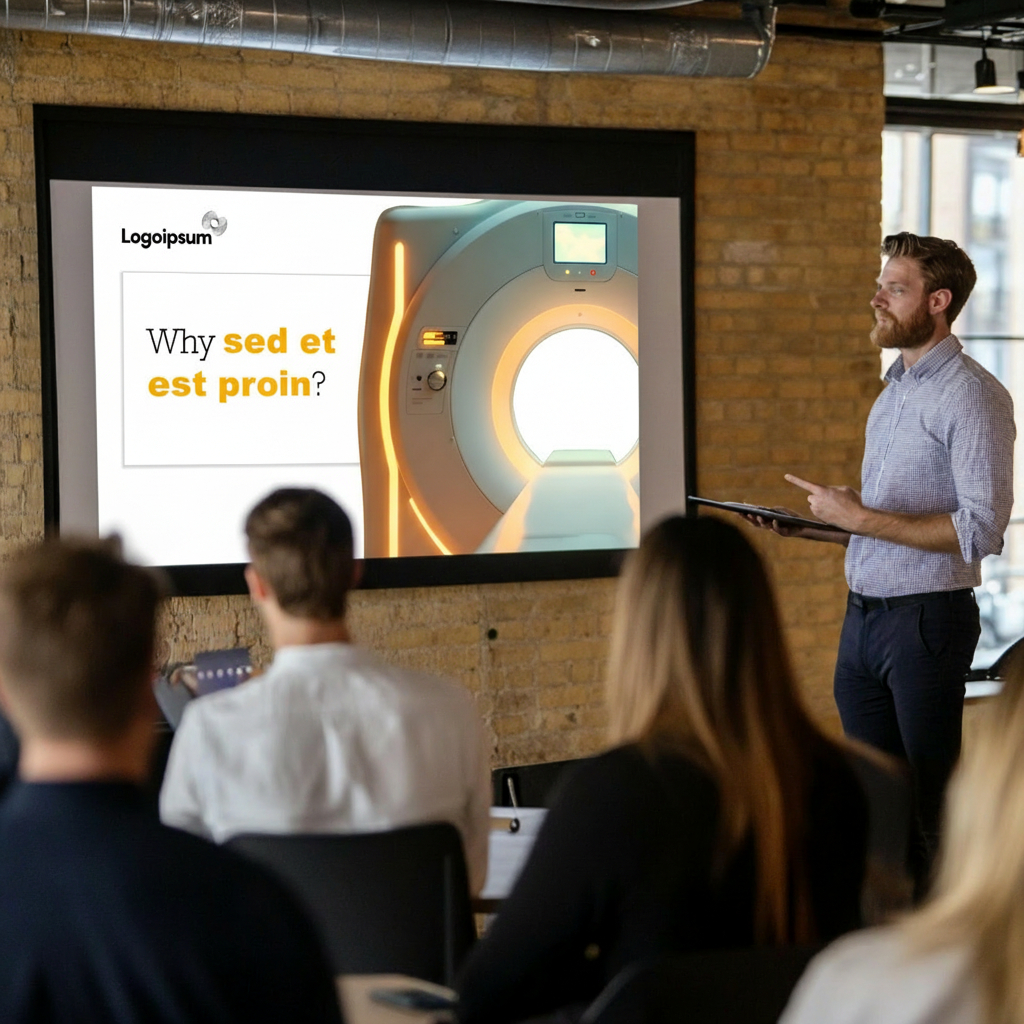
Challenges Behind Pharma Product Presentation Design
Pharmaceutical product decks carry a lot of weight. They need to serve clinical discussions, launch meetings, and commercial conversations. Most were not built for any of them.
Who is this service for?
Pharmaceutical brand, product marketing, medical affairs, and commercial excellence teams carry product science into physician meetings, launch events, and advisory board discussions.
For Pharmaceutical Brand and Product Marketing Teams
Launch presentations and treatment positioning materials for HCP meetings, promotional events, and disease awareness campaigns. Built to communicate product differentiation and clinical value in crowded treatment landscapes.
For Medical Affairs Teams
Scientific exchange presentations and advisory board presentations covering clinical evidence, therapy area education, and real-world outcomes. Prepared to the communication standards required for medical affairs discussions.
For MSL Teams
Mechanism of action presentations and clinical data slides built for one-to-one physician conversations and field medical discussions. Designed so MSLs can respond to clinical questions and guide physicians through treatment evidence in the room.
For Commercial Excellence Teams
Launch readiness presentations and field force alignment materials for product rollout planning, commercial training sessions, and internal launch meetings. Built to give commercial teams a consistent product narrative before they go into the field.
What we Deliver
We produce fully editable pharma product presentations, PDF product handouts, and editable slide guides for pharmaceutical and biotech teams.
Our Presentation Design Process
Our process is built on scientific accuracy and product communication clarity. Every project moves through structured review stages until the presentation meets stakeholder approval.
Receiving Materials and Objectives
We receive product materials, clinical data, brand guidelines, and communication objectives. We review the presentation purpose, the audience, the meeting context, and any existing presentations the team has used. This gives us the full picture before any design work begins.
Reviewing Content and Building Three Draft Concepts
We review the product content and develop three draft concept directions covering structure, visual approach, and slide flow. Each concept is anchored in the clinical communication context and reflects a distinct direction for how the product information will be organized and presented.
Review, Discussion and Design Approval
We present the concept directions and work through revisions with the team. Feedback from medical affairs, brand, and regulatory stakeholders is incorporated at this stage until the presentation is approved.
Final Delivery
Teams receive a fully editable presentation prepared for physician meetings, launch events, and future update cycles. Delivered as an editable PowerPoint file with an accompanying slide guide and speaker notes.
Frequently asked questions
Here you are a list of the questions we frequently hear from our customers
How do you make our product differ from competitors via presentation design?
We structure the presentation around the treatment gap the product addresses, the clinical benefits that support its position, and the differentiation points that separate it from existing therapies. To do this well we need the product monograph, any existing competitor comparison materials, clinical study data, and the brand guidelines. The clearer the product positioning brief, the stronger the differentiation we can build into the presentation.
How do you present mechanism of action so physicians can actually follow it?
Mechanism of action is built as a visual sequence, not a single dense slide. Each step is built for live explanation, with animation guiding the eye through binding, signaling, or pathway interaction. Physicians follow the science without the speaker fighting the visual.
Can one presentation serve HCP meetings, advisory boards, and internal launch sessions?
The master presentation is structured in sections so brand teams can build an HCP version, an advisory board version, and an internal launch version from the same source file. Each version keeps consistent messaging while matching the audience, room, and discussion format.
Our MSLs present one-to-one with physicians rather than in launch meetings or advisory boards. Can you design for that?
One-to-one physician presentations are built for a different dynamic than launch meetings or advisory boards. Slides are designed to support a conversation rather than drive it, with cleaner layouts, fewer data points per slide, and animation designed for a discussion that can slow down, revisit a slide, or follow the physician's line of questioning.
How many revision rounds does a pharma product presentation project include?
Revision rounds are agreed at the start of each project based on scope, complexity, and the number of internal stakeholders involved in approval. Projects with medical affairs, brand, regulatory, and legal reviewers typically move through more rounds than single-team reviews. We align on the revision structure during briefing so teams know what to expect before design work begins.
Can the presentation be adapted across countries and languages for a global launch?
Master files are built with editable layouts, separated text layers, and locked brand elements so affiliate teams in different markets can localize copy without breaking the design. Localized versions stay visually consistent across regional launches and congress meetings.
Can you redesign or update an existing pharma product presentation rather than building from scratch?
Existing presentations are reviewed for structure, slide flow, brand consistency, and clinical communication clarity before any redesign work begins. Teams receive a restructured presentation built around the same content but organized for live discussion rather than documentation, with all files delivered in fully editable PowerPoint format.
How is confidential product information handled before final delivery?
We work under a signed confidentiality agreement before any materials are shared. Files are kept strictly within the project scope and are not shared, stored, or referenced outside of it.
What makes a custom pharma presentation different from one generated by AI?
AI tools can generate slides quickly but cannot validate scientific accuracy, manage MLR review workflows, or build mechanism of action visuals from verified scientific content. Every visual we create is built from scratch, so there are no copyright risks in materials used at physician meetings, advisory boards, or scientific congresses.
Can you design presentations for internal meetings like marketing planning sessions and business reviews?
Internal pharma meetings have different requirements from HCP or congress presentations. We design internal presentations for marketing planning sessions, brand reviews, commercial strategy discussions, and executive business reviews. The focus is on clear data visualization, decision-ready slide structure, and consistent brand formatting so internal teams can present confidently to leadership and cross-functional stakeholders.


